Business License
The Humanoid Robot Boom: Your Bearing Supply Strategy for 2026 and Beyond
The humanoid robot market is scaling faster than the bearing industry has seen in decades. If you are building robotic systems, your bearing supply chain strategy needs to move from “wait and see” to “secure capacity now.”
The numbers are compelling
The global humanoid robot bearings market has expanded from approximately US0.62millionin2021toaboutUS0.62millionin2021toaboutUS33.80 million in 2025, and is projected to reach roughly US$871.69 million by 2032. This represents an average annual growth rate of over 170% during 2021–2025, with a still-very-high CAGR of about 46.6% from 2026 to 2032 as humanoid robots ramp from demonstrators to scaled deployment.
What type of bearings does this market need? In 2025, deep groove and crossed-roller bearings together account for just over half of global humanoid robot bearing revenue. By 2032, crossed-roller bearings alone will maintain more than 20% of total market value, while flexible bearings for harmonic drives grow to roughly one-third of the market.
Where demand is most concentrated
Leg joints account for around 40–45% of humanoid robot bearing revenue, with arm joints contributing roughly a quarter. Neck, waist, and other structural positions together remain below 20%. By 2032, dexterous hands will become a major growth engine, roughly doubling their revenue share to about one-fifth of total market value.
Why this matters for your procurement planning
Every humanoid robot is a heavy consumer of precision bearings—a single unit may require 70 or more. Each harmonic reducer needs both a crossed-roller bearing (for the output end) and a flexible bearing. Every rotational joint (shoulders, elbows, hips, knees) requires a crossed-roller ring that can withstand radial loads, axial loads, and overturning moments simultaneously.
Ouna Bearing‘s robotics-ready products
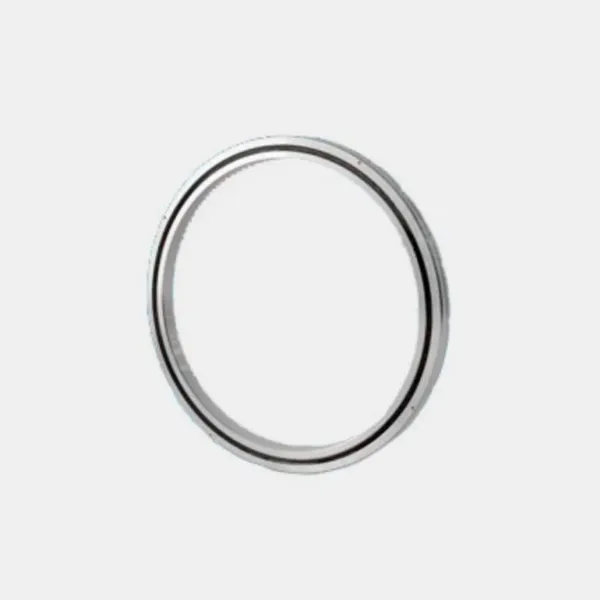
Luoyang Ouna Bearing Co., Ltd. manufactures thin-walled crossed roller bearings specifically designed for humanoid robot joints. Our crossed roller bearings feature rollers arranged orthogonally at 90° within V‑shaped raceways, delivering the compact form factor and high rigidity demanded by robotic applications.
| Product Type | Specific Applications |
|---|---|
| Crossed roller bearings (ORA, ORB, ORE, ORU, ORAU, ORBH, OSX, OXSU, OXU, ORBS series) | Humanoid robot hip, knee, shoulder, and waist rotational joints |
| JXR/XR crossed tapered roller bearings | High-load joints requiring enhanced rigidity |
| Harmonic reducer bearings | Compact gear reduction system output support |
| Four-point contact ball slewing bearings | Waist rotation and base positioning |
| Thin-section precision bearings | Space-constrained dexterous finger mechanisms |
All bearings are manufactured to P5, P4, and P2 precision grades, with outer diameters from φ20mm to φ2500mm.
Secure your position in this high-growth market
As humanoid robots move from pilot fleets to scaled production, bearing availability will become a bottleneck for manufacturers without secured supply. Contact Ouna Bearing to discuss volume requirements, sample qualification, and production scheduling for your 2026 and 2027 robotics projects. We accept both standard and custom configurations to match your unique joint designs.
Recently Posted
-
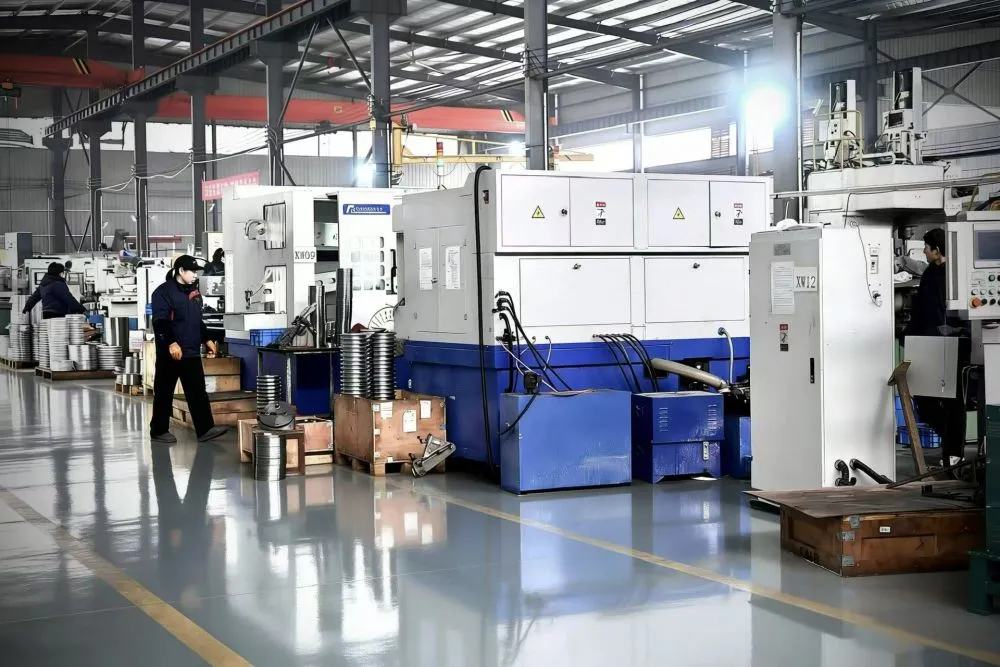
Small Batch, Custom Bearings – No MOQ, No Hassle. Your Specialised Bearing Solution Starts Here
June 22, 2026Not every bearing requirement fits a standard catalogue. Equipment repair, prototype development, and specialised machinery often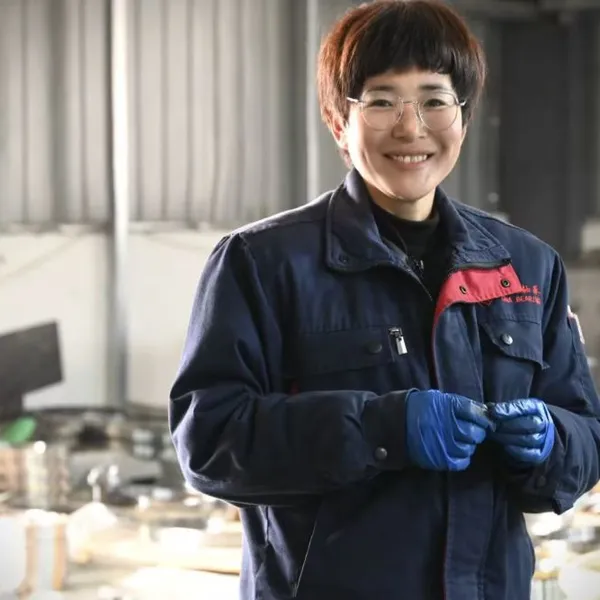 Read More
 -
Stop Paying the Premium Brand Tax – Why Smart Buyers Are Switching to Ouna Bearing
June 17, 2026The global bearing industry has seen wave after wave of price increases. In 2025 and early 2026, major European and Japanese manuf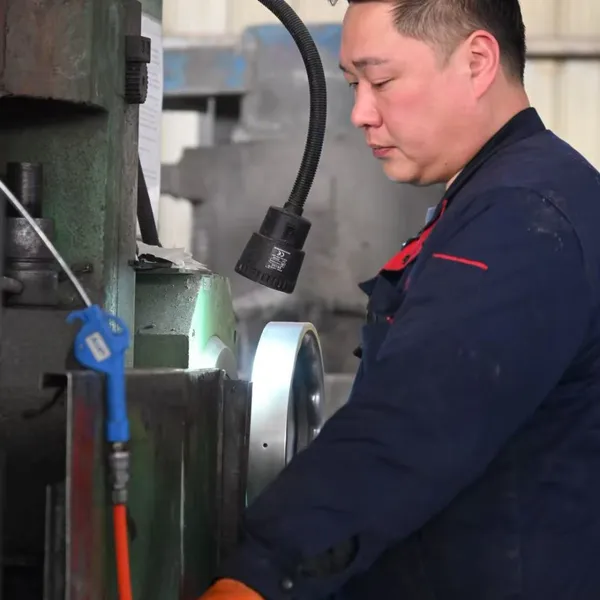 Read More
 -
Made in Luoyang – China‘s Bearings Have Come of Age. Here‘s Why You Should Take Notice
June 17, 2026For international buyers who have hesitated to source precision bearings from China, the evidence is now overwhelming: China‘s bea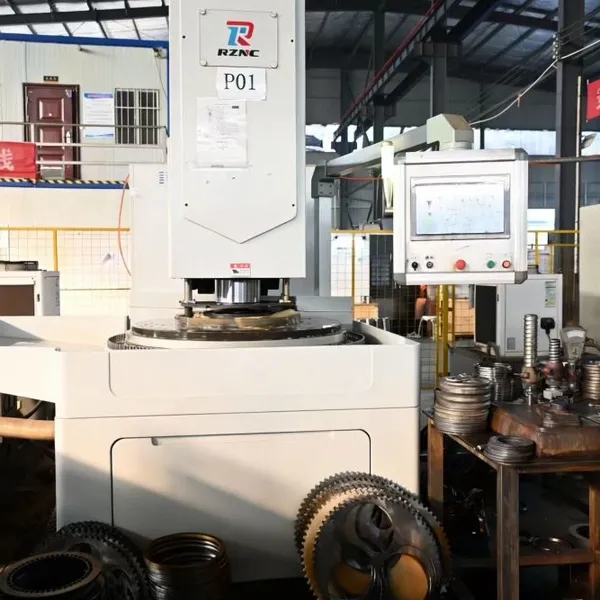 Read More
 -
ORT Series Rotary Table Bearings – The Smart Buyer‘s Choice for High‑Precision CNC Applications
June 15, 2026For CNC machine tool builders, the rotary table bearing is a mission-critical component. Its performance directly determines posit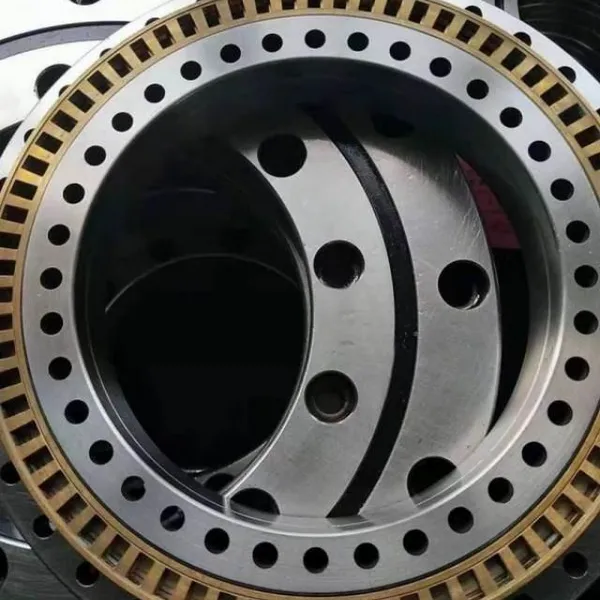 Read More

Contact Us
Recommended Products
-
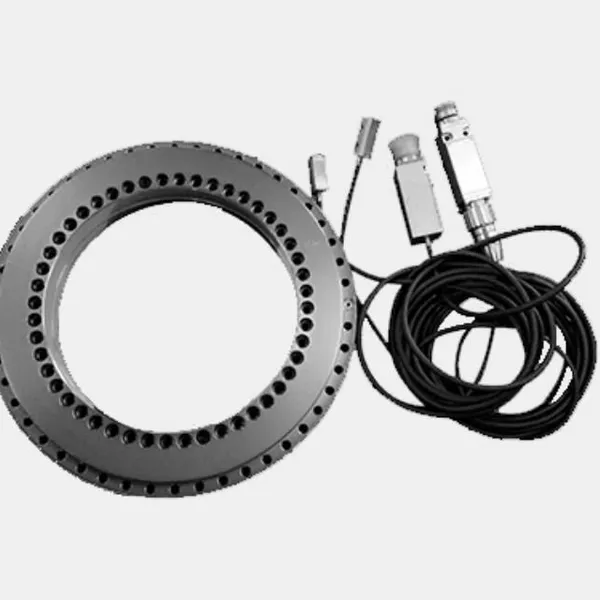
 ONA ORTM 200 Built‑in Angle Measurement Rotary Table Bearing P4/P2 Accuracy 1 Arc SecondNegotiableMOQ: 5 Pieces
 -
ONA ORTS 260 High Precision High Speed Rotary Table Bearing P4/P2 for Direct Drive MotorNegotiableMOQ: 5 Pieces
-
ONA ORT 180 High Precision Rotary Table Bearing P4/P2 Grade for CNC Machine ToolsNegotiableMOQ: 5 Pieces
-
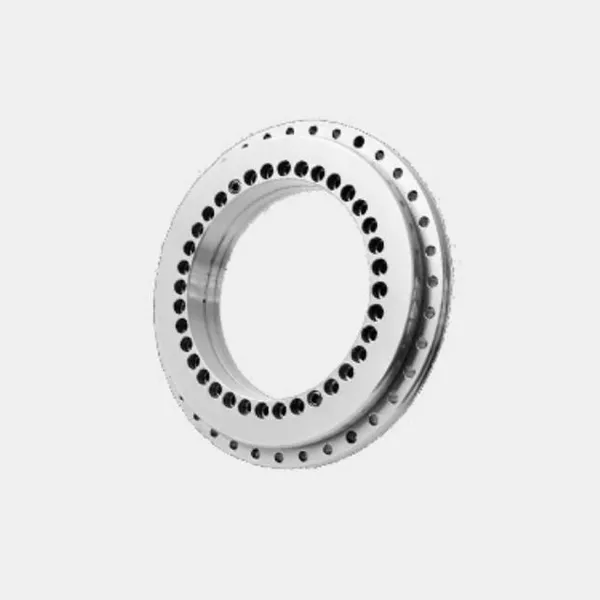
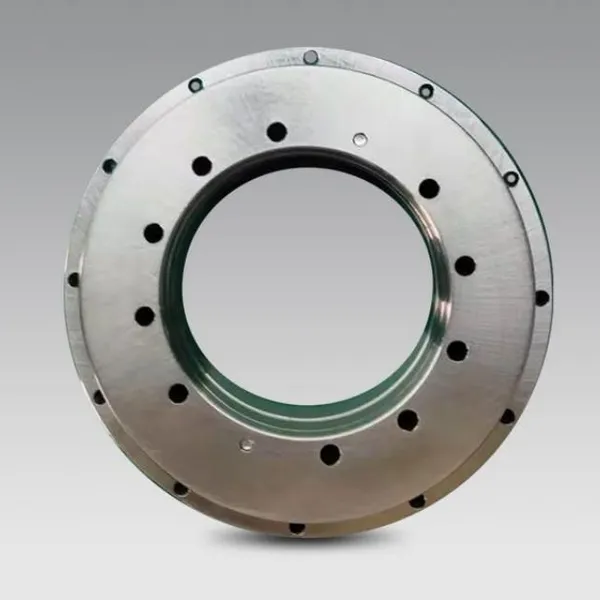
ONA ORBH 60040A Ultra-Thin Crossed Roller Bearing P4/P2 High Rigidity Integrated RingsNegotiableMOQ: 5 Sets
-
ONA ORBH 50025A Ultra-Thin Crossed Roller Bearing P4/P2 High Rigidity Integrated RingsNegotiableMOQ: 5 Sets
-
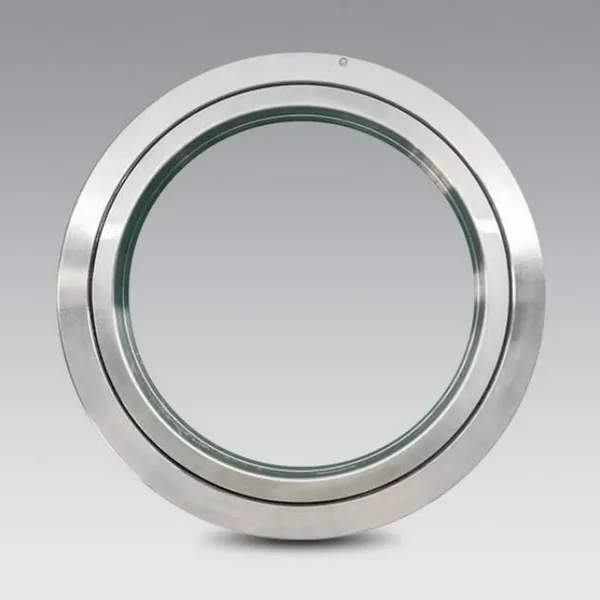
ONA ORBH 40035A Ultra-Thin Crossed Roller Bearing P4/P2 High Rigidity Integrated RingsNegotiableMOQ: 5 Sets
-
ONA ORBH 20025A Ultra-Thin Crossed Roller Bearing P4/P2 High Rigidity Integrated RingsNegotiableMOQ: 5 Sets
-
ONA ORBH 12025A Ultra-Thin Crossed Roller Bearing P4/P2 High Rigidity Integrated RingsNegotiableMOQ: 5 Sets
-
ONA ORBH 9016A Ultra-Thin Crossed Roller Bearing P4/P2 High Rigidity Integrated RingsNegotiableMOQ: 5 Sets
-
ONA ORBH 3010A Ultra-Thin Crossed Roller Bearing P4/P2 High Rigidity Integrated Rings for Robot JointsNegotiableMOQ: 5 Sets
-
ONA ORA 20013 Ultra-Thin Crossed Roller Bearing P4/P2 High Rigidity Compact Design for Robot JointsNegotiableMOQ: 5 Sets
-
ONA ORA 19013 Ultra-Thin Crossed Roller Bearing P4/P2 High Rigidity Compact Design for Robot JointsNegotiableMOQ: 5 Sets
-
ONA ORA 15008 Ultra-Thin Crossed Roller Bearing P4/P2 High Rigidity Compact Design for Robot JointsNegotiableMOQ: 5 Sets
-
ONA ORA 12008 Ultra-Thin Crossed Roller Bearing P4/P2 High Rigidity for Robot JointsNegotiableMOQ: 5 Sets
-
ONA ORA 9008 Thin-Wall Crossed Roller Bearing P4/P2 High Rigidity for Heavy LoadNegotiableMOQ: 5 Sets
-
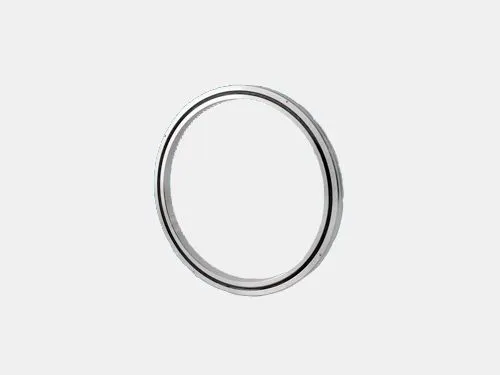
ONA ORA 8008 Thin-Wall Crossed Roller Bearing P4/P2 High Rigidity for Heavy LoadNegotiableMOQ: 5 Sets
-
ONA OKLDF 120 High Precision Thrust Angular Contact Ball Bearing P4/P2 for CNC Rotary TableNegotiableMOQ: 5 Pieces
-
ONA OKLDF 100 High Precision Thrust Angular Contact Ball Bearing P4/P2 for CNC Rotary TableNegotiableMOQ: 5 Pieces
-
ONA ORTM 460 High Precision Rotary Table Bearing P4/P2 With Integral 1 Arc Second MeasurementNegotiableMOQ: 5 Pieces
-
ONA ORTM 395 P4/P2 Rotary Table Bearing With Integral 1 Arc Second Angle Measurement SystemNegotiableMOQ: 5 Pieces